Veteran Mountain Climber And Fitness Enthusiast Indire Embarks On Mission To Improve Sports Tourism In Kenya

Abdi Indire climbing Mt Suswa on 20th October 2025.PHOTO/ ABDI INDIRE
NAIROBI, Kenya- Mountain climbing is a sport not for the weak. It requires mettle, courage, resilience and great preparedness to achieve the lofty feat.
This is the reason that veteran climber, tour guide and fitness enthusiast Abdi Indire is taking the initiative to create awareness about the sport and at the same time improve safety standards and welfare of those involved.
“It is one way to improve sports tourism in Kenya,” indicated Indire who has climbed a variety of mountains including Kilimanjaro, Suswa and Elephant Hills.
The 38-year-old, who also works as a health and nutrition consultant, says years of experience climbing mountains and guiding tourists on it across Kenya, Tanzania and Uganda have exposed significant gaps in safety preparedness and professional support for Kenyan hikers and tour guides.
To address these concerns, Indire is organizing an Adventure and Hiking Meeting scheduled for July 12 at the Aberdares.
Apart from mountain climbers, the event will also bring together guides, porters, chefs, first aid providers and rescue teams under one roof to discuss ways of improving safety and working conditions in the sector.
“I like finding solutions when I see a problem,” said Indire, whose home county is Vihiga. “This meeting is about the safety of tour guides and their clients. Not everything goes smoothly during an adventure, and we need to be prepared.”
Indire noted his travels across East Africa have allowed him to compare tourism operations in neighboring countries.
He believes Kenya has fallen behind in some aspects of adventure tourism, particularly in mountain tourism, where Tanzania continues to attract large numbers of international visitors heading to Mount Kilimanjaro.

Abdi Indire on Mt.Kilimanjaro hike, Marangu Route on 23rd Feb 2026. PHOTO/ ABDI INDIRE
“Many tourists choose Tanzania, especially for mountain climbing,” he said. “When you climb Kilimanjaro, you meet people from all over the world. Many tell you they are spending more time in Dar es Salaam after their climbs. We need to look at our own systems and improve them.”
A major concern, according to Indire, is the lack of emergency preparedness among some guides operating in Kenya’s adventure destinations.
“You will find some tour guides have no first aid knowledge,” he observed. “If a client develops a problem during a hike or mountain climb, the guide may not know how to respond. In some cases, people end up fundraising to pay hospital bills after an emergency.”
He pointed to challenges such as altitude sickness, injuries and sudden changes in weather, all of which can quickly turn a recreational activity into a life-threatening situation.
“Sometimes a client becomes unable to walk and must be carried down the mountain,” he explains. “If there is no rescue plan in place, the situation can deteriorate very quickly.”
Among the proposals to be discussed at the meeting is the establishment of dedicated rescue systems, including strategically placed stretchers and trained personnel at adventure camps and popular hiking routes.
Indire expressed concern about the limited rescue equipment available in some areas. Citing information from fellow guides, he said Mount Kenya reportedly has only one stretcher stationed on the Naromoru route despite having multiple climbing routes.
“What happens if there are emergencies on different routes at the same time?” he asked. “That is one of the challenges we need to address.”
The planned forum will also focus on the importance of protective gear, which Indire says remains inaccessible to many guides.
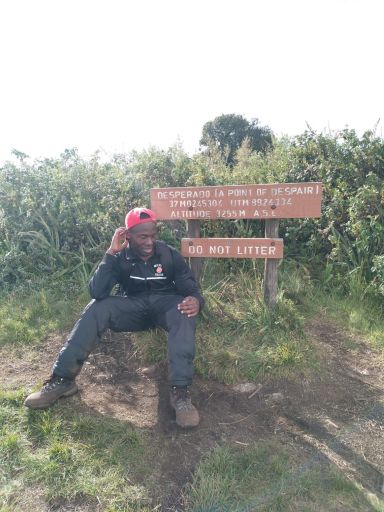
Abdi Indire during Elephant Hills hike on April 20th 2025. PHOTO/ ABDI INDIRE
“Many tour guides do not have the proper protective equipment,” he said. “If it starts raining while you are near the summit, both the guide and the client can be exposed. A client can become seriously ill afterward, affecting their health and livelihood.”
Beyond safety, Indire hopes the meeting will lay the groundwork for the creation of a national association for mountain climbers and tour guides. The association would provide a platform for professional development, welfare support and emergency assistance for members.
“The idea is to bring them under one roof,” he disclosed. “Even small contributions from members could help support guides and their families during difficult times, whether it is illness, emergencies or even school fees.”
He also believes a professional association could improve service quality by connecting clients with trained and accredited guides.
“Clients would have more confidence knowing they are being assigned a guide who has the right knowledge and safety training,” he said.
Indire has already received encouragement from fellow guides and climbers, many of whom describe the initiative as long overdue.
“They have told me to go ahead because this is something the industry has needed for a long time,” he noted.
He is appealing to sponsors and stakeholders in the tourism sector to support the inaugural meeting, which will initially focus on local Kenyan guides and climbers before expanding to include Kenyans working abroad.
“This is not a one-off event,” he declared. “It is the beginning of a journey to improve safety, knowledge and working conditions in adventure tourism.”
As Kenya seeks to strengthen its position as a leading tourism destination, Indire believes investing in the welfare and preparedness of those who guide visitors through the country’s mountains, parks and wilderness areas is essential.
“Safety must come first,” he stresses. “When guides are prepared and protected, tourists are safer, and the entire industry benefits.”


